

Prince
Few artists have created a body of work as rich and varied as Prince. During the '80s, he emerged as one of the most singular talents of the rock & roll era, capable of seamlessly tying together pop, funk, folk, and rock. Not only did he release a series of groundbreaking albums; he toured frequently, produced albums and wrote songs for many other artists, and recorded hundreds of songs that still lie unreleased in his vaults. With each album he released, Prince has shown remarkable stylistic growth and musical diversity, constantly experimenting with different sounds, textures, and genres.
Occasionally, his music can be maddeningly inconsistent because of this eclecticism, but his experiments frequently succeed; no other contemporary artist can blend so many diverse styles into a cohesive whole.
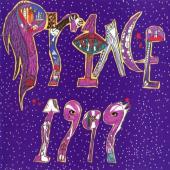
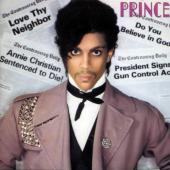
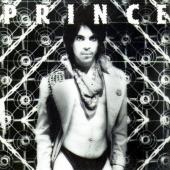
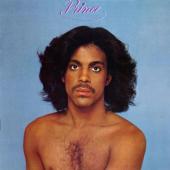
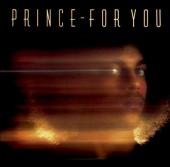
Prince's first two albums were solid, if unremarkable, late-'70s funk-pop. With 1980's Dirty Mind, he recorded his first masterpiece, a one-man tour de force of sex and music; it was hard funk, catchy Beatlesque melodies, sweet soul ballads, and rocking guitar pop, all at once. The follow-up, Controversy, was more of the same, but 1999 was brilliant. The album was a monster hit, selling over three million copies, but it was nothing compared to 1984's Purple Rain.
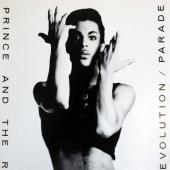
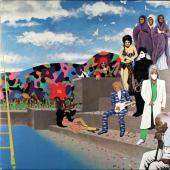
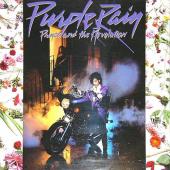
Purple Rain made Prince a superstar; it eventually sold over ten million copies in the U.S. and spent 24 weeks at number one. Partially recorded with his touring band, the Revolution, the record featured the most pop-oriented music he has ever made. Instead of continuing in this accessible direction, he veered off into the bizarre psycho-psychedelia of Around the World in a Day, which nevertheless sold over two million copies. In 1986, he released the even stranger Parade, which was in its own way as ambitious and intricate as any art rock of the '60s; however, no art rock was ever grounded with a hit as brilliant as the spare funk of "Kiss."
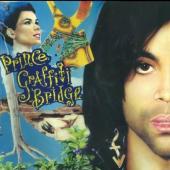
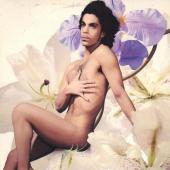
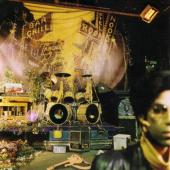
By 1987, Prince's ambitions were growing by leaps and bounds, resulting in the sprawling masterpiece Sign 'O' the Times. Prince was set to release the hard funk of The Black Album by the end of the year, yet he withdrew it just before its release, deciding it was too dark and immoral. Instead, he released the confused Lovesexy in 1988, which was a commercial disaster. With the soundtrack to 1989's Batman he returned to the top of the charts, even if the album was essentially a recap of everything he had done before. The following year he released Graffiti Bridge, the sequel to Purple Rain, which turned out to be a considerable commercial disappointment.
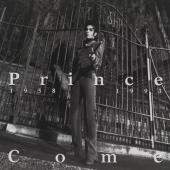
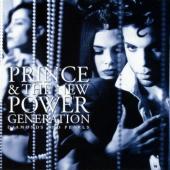
In 1991, Prince formed the New Power Generation, the best and most versatile and talented band he has ever assembled. With their first album, Diamonds and Pearls, Prince reasserted his mastery of contemporary R&B; it was his biggest hit since 1985. The following year, he released his 12th album, which was titled with a cryptic symbol; in 1993, Prince legally changed his name to the symbol. In 1994, after becoming embroiled in contract disagreements with Warner Bros., he independently released the single "The Most Beautiful Girl in the World," likely to illustrate what he would be capable of on his own; the song became his biggest hit in years. Later that summer, Warner released the somewhat halfhearted Come under the name of Prince; the record was a moderate success, going gold.
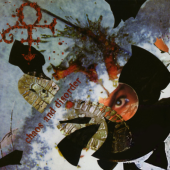
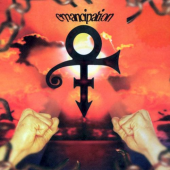
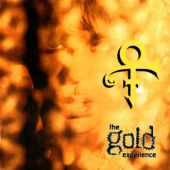
In November 1994, as part of a contractual obligation, Prince agreed to the official release of The Black Album. In early 1995, he immersed himself in another legal battle with Warner, proclaiming himself a slave and refusing to deliver his new record, The Gold Experience, for release. By the end of the summer, a fed-up Warner had negotiated a compromise that guaranteed the album's release, plus one final record for the label. The Gold Experience was issued in the fall; although it received good reviews and was following a smash single, it failed to catch fire commercially. In the summer of 1996, Prince released Chaos & Disorder, which freed him to become an independent artist. Setting up his own label, NPG (which was distributed by EMI), he resurfaced later that same year with the three-disc Emancipation, which was designed as a magnum opus that would spin off singles for several years and be supported with several tours.
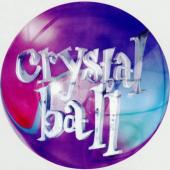
However, even his devoted cult following needed considerable time to digest such an enormous compilation of songs. Once it was clear that Emancipation wasn't the commercial blockbuster he hoped it would be, Prince assembled a long-awaited collection of outtakes and unreleased material called Crystal Ball in 1998. With Crystal Ball, Prince discovered that it's much more difficult to get records to an audience than it seems; some fans who pre-ordered their copies through Prince's website (from which a bonus fifth disc was included) didn't receive them until months after the set began appearing in stores. Prince then released a new one-man album, New Power Soul, just three months after Crystal Ball; even though it was his most straightforward album since Diamonds and Pearls, it didn't do well on the charts, partly because many listeners didn't realize it had been released.
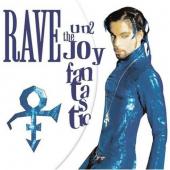
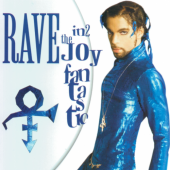
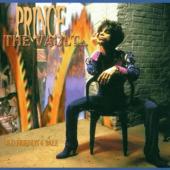
A year later, with "1999" predictably an end-of-the-millennium anthem, Prince issued the remix collection 1999 (The New Master). A collection of Warner Bros.-era leftovers, Vault: Old Friends 4 Sale, followed that summer, and in the fall Prince returned on Arista with the all-star Rave Un2 the Joy Fantastic.
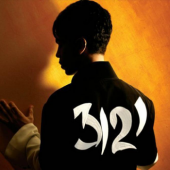
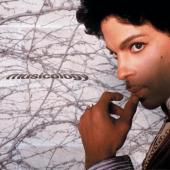
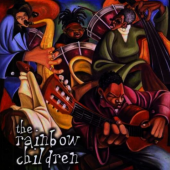
In the fall of 2001 he released the controversial Rainbow Children, a jazz-infused circus of sound trumpeting his conversion to the Jehovah's Witnesses that left many longtime fans out in the cold. He further isolated himself with 2003's N.E.W.S., a four-song set of instrumental jams that sounded a lot more fun to play than to listen to. Prince rebounded in 2003 with the chart-topping Musicology, a return to form that found the artist back in the Top Ten, even garnering a Grammy nomination for Best Male Pop Vocal Performance in 2005. In early 2006 he was the musical guest on Saturday Night Live, performing two songs with a new protégée, R&B singer Tamar. A four-song appearance at the Brit Awards with Wendy, Lisa, and Sheila E. followed. Both appearances previewed tracks from 3121, which hit number one on the album charts soon after its release in March 2006.
Prince's first two albums were solid, if unremarkable, late-'70s funk-pop. With 1980's Dirty Mind, he recorded his first masterpiece, a one-man tour de force of sex and music; it was hard funk, catchy Beatlesque melodies, sweet soul ballads, and rocking guitar pop, all at once. The follow-up, Controversy, was more of the same, but 1999 was brilliant. The album was a monster hit, selling over three million copies, but it was nothing compared to 1984's Purple Rain.
Purple Rain made Prince a superstar; it eventually sold over ten million copies in the U.S. and spent 24 weeks at number one. Partially recorded with his touring band, the Revolution, the record featured the most pop-oriented music he has ever made. Instead of continuing in this accessible direction, he veered off into the bizarre psycho-psychedelia of Around the World in a Day, which nevertheless sold over two million copies. In 1986, he released the even stranger Parade, which was in its own way as ambitious and intricate as any art rock of the '60s; however, no art rock was ever grounded with a hit as brilliant as the spare funk of "Kiss."
By 1987, Prince's ambitions were growing by leaps and bounds, resulting in the sprawling masterpiece Sign 'O' the Times. Prince was set to release the hard funk of The Black Album by the end of the year, yet he withdrew it just before its release, deciding it was too dark and immoral. Instead, he released the confused Lovesexy in 1988, which was a commercial disaster. With the soundtrack to 1989's Batman he returned to the top of the charts, even if the album was essentially a recap of everything he had done before. The following year he released Graffiti Bridge, the sequel to Purple Rain, which turned out to be a considerable commercial disappointment.
In 1991, Prince formed the New Power Generation, the best and most versatile and talented band he has ever assembled. With their first album, Diamonds and Pearls, Prince reasserted his mastery of contemporary R&B; it was his biggest hit since 1985. The following year, he released his 12th album, which was titled with a cryptic symbol; in 1993, Prince legally changed his name to the symbol. In 1994, after becoming embroiled in contract disagreements with Warner Bros., he independently released the single "The Most Beautiful Girl in the World," likely to illustrate what he would be capable of on his own; the song became his biggest hit in years. Later that summer, Warner released the somewhat halfhearted Come under the name of Prince; the record was a moderate success, going gold.
In November 1994, as part of a contractual obligation, Prince agreed to the official release of The Black Album. In early 1995, he immersed himself in another legal battle with Warner, proclaiming himself a slave and refusing to deliver his new record, The Gold Experience, for release. By the end of the summer, a fed-up Warner had negotiated a compromise that guaranteed the album's release, plus one final record for the label. The Gold Experience was issued in the fall; although it received good reviews and was following a smash single, it failed to catch fire commercially. In the summer of 1996, Prince released Chaos & Disorder, which freed him to become an independent artist. Setting up his own label, NPG (which was distributed by EMI), he resurfaced later that same year with the three-disc Emancipation, which was designed as a magnum opus that would spin off singles for several years and be supported with several tours.
However, even his devoted cult following needed considerable time to digest such an enormous compilation of songs. Once it was clear that Emancipation wasn't the commercial blockbuster he hoped it would be, Prince assembled a long-awaited collection of outtakes and unreleased material called Crystal Ball in 1998. With Crystal Ball, Prince discovered that it's much more difficult to get records to an audience than it seems; some fans who pre-ordered their copies through Prince's website (from which a bonus fifth disc was included) didn't receive them until months after the set began appearing in stores. Prince then released a new one-man album, New Power Soul, just three months after Crystal Ball; even though it was his most straightforward album since Diamonds and Pearls, it didn't do well on the charts, partly because many listeners didn't realize it had been released.
A year later, with "1999" predictably an end-of-the-millennium anthem, Prince issued the remix collection 1999 (The New Master). A collection of Warner Bros.-era leftovers, Vault: Old Friends 4 Sale, followed that summer, and in the fall Prince returned on Arista with the all-star Rave Un2 the Joy Fantastic.
In the fall of 2001 he released the controversial Rainbow Children, a jazz-infused circus of sound trumpeting his conversion to the Jehovah's Witnesses that left many longtime fans out in the cold. He further isolated himself with 2003's N.E.W.S., a four-song set of instrumental jams that sounded a lot more fun to play than to listen to. Prince rebounded in 2003 with the chart-topping Musicology, a return to form that found the artist back in the Top Ten, even garnering a Grammy nomination for Best Male Pop Vocal Performance in 2005. In early 2006 he was the musical guest on Saturday Night Live, performing two songs with a new protégée, R&B singer Tamar. A four-song appearance at the Brit Awards with Wendy, Lisa, and Sheila E. followed. Both appearances previewed tracks from 3121, which hit number one on the album charts soon after its release in March 2006.
Albums by Prince
Sponsored Links
Tags on Prince
Popularity Prince
current month (so far)




